

Choosing the Right Brick Force Mesh Machine: Wire Diameter, Mesh Size & Welding Speed
Category:Blog
Author:
Source:
Add time:2025-10-17 10:56
Why Choosing the Right Machine Matters
In South Africa’s booming construction and infrastructure sectors, brick force mesh plays a crucial role in reinforcing masonry walls, preventing cracking, and improving structural integrity.
But as demand rises, many manufacturers face a key question: How do I choose the right brick force mesh machine for my production line?
The right machine doesn’t just affect production speed — it determines the wire range you can process, the mesh quality you can achieve, and ultimately, your profit margins.
Let’s explore the main factors South African producers should evaluate before investing.
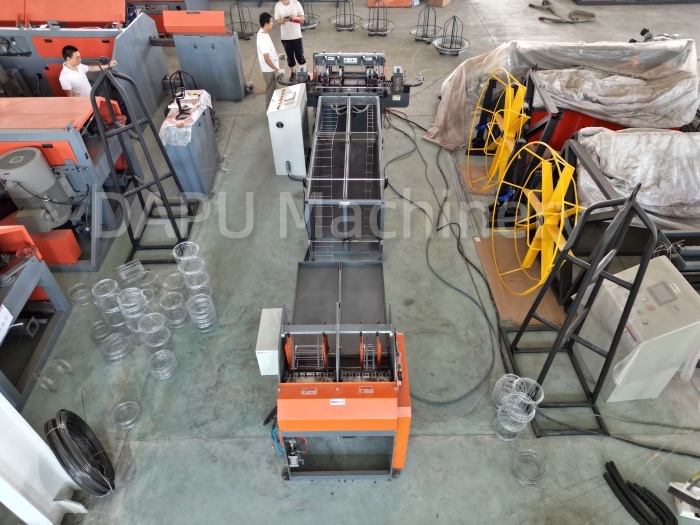
1. Wire Diameter Range: Matching Machine Capability with Market Demand
The wire diameter your machine can handle defines what kinds of mesh you can produce.
In South Africa, common brick force mesh uses galvanized low-carbon steel wire between 1.6 mm and 3.5 mm in diameter.
When evaluating a machine, ask:
- Does it support the wire diameters I use most?
For example, if you produce both standard and heavy-duty brick mesh, you need a flexible system covering multiple wire sizes.
- Can it switch between diameters easily?
A good machine offers smooth adjustment or automatic feeding systems, saving you hours on changeovers.
👉 Tip: A high-quality welding machine should maintain consistent welding current and pressure across different wire sizes — ensuring uniform strength and clean welds even with thin wires.
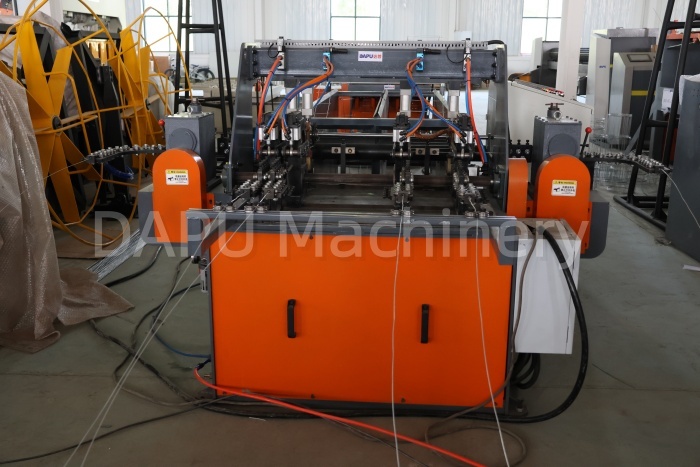
2. Mesh Size & Design: Precision Defines Profit
Brick force mesh is typically produced with longitudinal wires spaced about 75 mm apart, and cross wires every 300 mm — though these numbers can vary based on building codes and customer requirements.
When choosing your machine:
- Check if the mesh spacing is adjustable.
Flexibility is key when serving different clients (construction companies, brick manufacturers, or wholesalers).
- Confirm the feeding system accuracy.
Precision control prevents overlap, misalignment, and material waste.
- Review the straightening and cutting systems.
Poor-quality rollers or motors can cause wire deformation — leading to rejected batches.
A good brick force machine allows you to set custom mesh pitches through a control panel — ideal for South African producers handling multiple orders or wire specifications.
3. Welding Speed: Balancing Efficiency and Stability
Welding speed directly impacts your daily output.
But faster isn’t always better — unless your machine’s synchronization and cooling systems can handle the pace.
A professional brick force mesh machine should feature:
- Automatic speed control that synchronizes feeding, welding, and cutting.
- Water-cooled transformers or welding electrodes to maintain stable temperature during continuous runs.
- Adjustable welding current, letting you optimize settings for different wire diameters.
Modern high-speed machines can reach 80–100 welds per minute — effectively doubling production compared to older models.
👉 The key is finding the balance: consistent welding quality at maximum achievable speed.
4. Power Consumption & Efficiency
With South Africa’s energy costs fluctuating, energy efficiency is a vital selection factor.
A machine with digital inverter control and optimized transformer design can reduce power use by up to 20%.
When comparing suppliers, ask for real data on kWh per ton of output, not just total installed power.
A slightly higher initial investment often pays off through lower monthly electricity bills and fewer maintenance interruptions.
5. Ease of Operation & After-Sales Support
Many South African factories face a shortage of skilled technicians.
That’s why the machine you choose should emphasize:
- Intuitive operation — touch-screen control panels with multilingual interfaces.
- Clear installation and training videos.
- Accessible local or online technical support.
Machines that are easy to learn and maintain minimize downtime and training costs — especially when expanding production.
6. Material Compatibility: Galvanized or Black Wire?
Different construction projects use different wire coatings:
- Galvanized wire offers rust resistance for outdoor or high-humidity environments.
- Black annealed wire is preferred for indoor walls or cost-sensitive projects.
Ensure your welding system supports both materials — with adjustable temperature and feeding tension.
This flexibility allows your factory to serve a wider market without needing separate production lines.
7. Build Quality & Machine Longevity
A reliable machine frame and precise components make all the difference over time.
Inspect:
- The thickness of the welding frame (reinforced steel provides stability).
- Quality of welding electrodes — copper alloys resist wear and extend service life.
- Brand reputation — proven export performance shows reliability in diverse environments.
8. Supplier Reliability: Service Makes the Difference
Beyond technical specifications, long-term success depends on your supplier’s commitment to service and spare parts.
Choose manufacturers who provide:
- Fast response for technical questions
- Detailed maintenance manuals
- Spare parts availability within short lead times
A machine is only as reliable as the support standing behind it.
Why South African Producers Choose DAPU
With over 25 years of export experience and installations in more than 100 countries, DAPU has earned the trust of brick force producers worldwide.
The DAPU Brick Force Making Machine is designed specifically for high-speed, precise welding of 1.4–3.5 mm wire, producing uniform brick mesh with adjustable spacing and automatic cutting.
Key advantages include:
- Stable welding transformers for consistent joint strength
- Servo-controlled feeding for perfect alignment
- User-friendly touchscreen for quick parameter setup
- Lifetime online service and full installation video support
- Custom configurations to meet South African standards and wire types
Whether you’re upgrading an existing line or setting up new production, DAPU provides a complete solution — from machine selection to installation guidance and operator training.
Conclusion: Your Investment, Your Edge
Choosing the right brick force mesh machine means balancing wire range, mesh flexibility, welding speed, and long-term reliability.
When all these factors come together, your factory gains not only efficiency but also the confidence to meet growing South African market demand.
For a machine built to perform — and a partner committed to your success —
DAPU Brick Force Making Machine is ready to deliver.
Recommend News
PRODUCTS